
Finding literature
Choose what you are looking for and check the recommended sources below:
Literature on a given topic
- Primo multi-search engine
enabling simultaneous searching of multiple information resources, including library catalogues, electronic sources (databases, e-journals, e-books), as well as other digital sources. The search engine consists of two tabs available on the home page of the Main Library of Warsaw University of Technology:- WUT resources (print + online) – simultaneous searching of all WUT library resources (print and electronic)
- National collections (print) – searching the catalogues of several hundred libraries included in the national library network (e.g. National Library, many academic and public libraries)
- Primo Research Assistant
An innovative tool available in Primo, supported by artificial intelligence, which allows asking questions in natural language:- analyses the content available in the Library's electronic resources;
- selects 5 publications that best answer the question asked;
- extracts key information from the descriptions or abstracts of these sources;
- presents them in the form of a concise summary.
See Research Assistant
- Database List
A tabular list of databases subscribed to by the Library, as well as selected publicly available sources. Please note the symbols and descriptions next to each database. The table includes, among other things:- Bibliographic and abstract databases
- enable quick review of literature: from one or many fields, many publishers, in different languages;
- contain abstracts of articles, conference materials, and sometimes books;
- offer advanced search tools (dictionaries, classifications, thesauruses);
- enable redirection to the publisher's platform with access to the full text - only if WUT subscribes to a given title (if the publication is not available online, you can check the printed version in library or request it through the Interlibrary Loans)
- Full-text databases
- databases of individual publishers or platforms collecting publications from multiple publishers;
- contain full texts of articles, books, and other documents;
- journals available in full-text databases are also largely recorded in bibliographic and abstract databases;
- e-book databases (marked in red on the Database List)
- Bibliographic and abstract databases
- WUT Digital Library
Digitised, selected WUT collections of historical and cultural significance; educational resources; scientific achievements of the University's staff.
A specific book or journal title
- Primo search engine WUT resources (print + online)
You can check the availability of journals and books in print or electronic form in WUT libraries (use the available filters - Resource type). - Primo search engine Journal Search tab
Search for journals by title, ISSN number or subject category. - Primo search engine National collections (print) tab
Search the catalogues of several hundred libraries included in the national library network (including the National Library, numerous academic and public libraries). If a publication in print is not available in the WUT resources, after logging into Primo, you will have access to the Interlibrary Loans Request tab with a completed request form.
For more information, see the Interlibrary Loans tab.
Polish and foreign standards
Information about Standards can be found under the tab Circulation / Collections available on site only / Standards.
Patents
- WUT resources (print + online), then Database List:
- Patents Espacenet
Access to over 150 million patent documents from around the world (since 1836), including applications and granted patents. The database has a Polish language interface and allows you to search documents from over 80 countries (Worldwide), WIPO (WO), the European Patent Office (EP) and selected countries, including Poland (PL) - Patents E-Search
Database of the Patent Office of the Republic of Poland (UPRP), containing information on applications and exclusive rights granted for: inventions, utility models, industrial designs (including decorative designs), trademarks, geographical indications, and integrated circuit topographies - Patents E-Register
The register search engine provides online access to current entries in the registers maintained by the UPRP (history of changes, legal status) for: inventions, utility models, industrial designs, trademarks, supplementary protection rights - Derwent Innovations Index / on the Web of Science platform
An international patent database offering access to patent information (since 1963) and its citation index (since 1973). The subscription includes: Chemical Section; Electrical and Electronic Section and Engineering Section - Google Patents
Wyszukiwarka umożliwiająca dostęp do ponad 120 milionów dokumentów patentowych z ponad 100 urzędów na świecie, m.in. USPTO, EPO i WIPO. Obejmuje zarówno pełne teksty patentów, jak i zgłoszeń, w tym historyczne dane od 1790 roku (USA) i 1978 roku (EPO/WIPO).
A search engine providing access to over 120 million patent documents from over 100 patent offices worldwide, including USPTO, EPO and WIPO. It covers full texts of both patents and applications, including historical data from 1790 (USA) and 1978 (EPO/WIPO).
- Patents Espacenet
Diploma, doctoral and habilitation theses defended at WUT
Information about theses defended at Warsaw University of Technology can be found under the tab Circulation / Collections available on site only / Diploma, doctoral and habilitation theses
Properties of chemicals and materials
- WUT resources (print + online), then Database List:
- CAS SciFinderN and Reaxys
Bibliographic and abstract databases enabling the search for chemical substances and reactions. They contain, among other things, names, identification numbers, structural formulas, literature data, properties, information about suppliers, conditions of use, and reaction schemes with yields and catalysts - Knovel
The Data Search tab enables searching for specified values of chemical and physical properties of substances and materials - Total Materia
A comprehensive material database containing the properties of over 450,000 materials (metals, polymers, ceramics, composites). It enables searching for materials by their designations, chemical composition or mechanical properties, as well as searching for standards
- CAS SciFinderN and Reaxys
Company financial statements, industry reports, stock market quotations, statistics and macroeconomic data
- WUT resources (print + online), then Database List:
- EMIS NEXT Academic Research
Enables searching and analysing market, industry and company data - ProQuest ABI/INFORM Collection
Offers nearly 3,900 full-text publications in fields such as business and economics, corporate strategy, management techniques, and information on competitiveness and products - EBSCO Business Searching Interface (BSI)
Enables searching and viewing of both economic data on the country and profiles of foreign companies, as well as SWOT analyses, industrial information and market research reports
- EMIS NEXT Academic Research
Legal regulations
- WUT resources (print + online), then Database List:
- Legal acts Internet System of Legal Acts – ISAP
Full-text access to legal acts published in: the Journal of Laws and Monitor Polski (Official Gazette of the Republic of Poland)
- Legal acts Internet System of Legal Acts – ISAP
Textbooks written by university staff and lecture materials
- WUT resources (print + online), then Database List:
- OKNO – textbooks educational resources Multimedia textbooks developed by the WUT Distance Learning Centre – OKNO PW
- Educational resources Educational platform for teaching computer science
- Open AGH educational resources Materials developed by employees and students of the AGH University of Science and Technology
- MIT OpenCourseWare educational resources Massachusetts Institute of Technology Open Learning programme
Scientific achievements of WUT employees
- WUT Base of Knowledge
Data on various aspects of the scientific and research activities of WUT employees, including: publications (articles, books, scripts), reports, translations, projects, patents, products, implementations, research data, professional activities and achievements.
For more information, see the WUT Base of Knowledge tab - Printed bibliography yearbooks available on site at the Reference and Bibliometric Analysis Department. The following years are available:
- 1944-1974
- 1975-1978
- 1979-1980
- 1981-1982
- 1983-1984
- 1985-1986
A Brief History
The history of WUT Main Library is closely connected with the history of the university.
- 1824 - The first idea of establishing a higher technical school - The Institute of Technology (Instytut Politechniczny)
- 1825 - April. The Library Council was established to elaborate the final project of The Institute of Technology (Instytut Politechniczny)
- 1826 - January 4 - Inauguration of the Preparatory School for the Institute of Technology. The first principal of the school was Kajetan Garbiński and the first librarian was Dionizy Lanckoroński.
- 1831 - All universities in the Kingdom of Poland were closed as a consequence of the November Uprising.
- 1895 - Opening of the Mechanical and Technical School of Wawelberg and Rotwald in Warsaw. In 1951, the collection of this school became a part of the WUT Library Collection.
- 1898 - Opening of the Emperor Nicolas II University of Technology, with Russian as a medium of instruction.
- 1915 - November 15 - Inauguration of the Warsaw University of Technology with Polish as a medium of instruction. Organizing the library collections after the damages of the World War I.
- 1918 - Opening the Library with collections of 32,000 volumes.
- 1939 - The Library collections amounted to almost 90,000 volumes.
- 1939 - October - WUT Main Building occupied by the German Army.
- 1944 - The Main Building and the Main Library Collection were burned down during the Warsaw Uprising.
- 1945 - The Commission for the University Restoration decided to rebuild the Library collection.
- 1996 - The extension of WUT Main Building to accommodate the Main Library started.
- 1999 – September - Opening of the new facilities of the Main Library.
- 2011 - WUT Main Library organized a IATUL conference.
Library on Sundays
Sections of the Main Library open on Sundays:
10.00 – 16.00 ML Students Lending Room (room 71)
10.00 – 16.00 ML Open Stacks (level II - room 242, level IIa - room 243, level III - room 336)
Services offered on Sundays:
- space for learning
- sharing and borrowing items available in Open Stacks and Students Lending Room
- returning items
- renewing
Note! If you want to use items from ML Stockroom Collection on Sunday, you should order them earlier (last orders will be accepted on Saturday before 6.30 pm) by phone: 22 234 7176 or via mail: This email address is being protected from spambots. You need JavaScript enabled to view it.
Services not available on Sundays:
- charging fees for overdue library items
- sharing items from ML Stockroom
- sharing periodicals from ML Stockroom
- Interlibrary Loans from Warsaw libraries
- getting request slips
ML Open Stacks
It’s a part of the ML WTU where users are allowed to pick library items (journals and books) from the shelves by themselves. ML Open Stacks section is located: Level 2 – journals, magazines and books; Level 2A and Level 3 – books.
Printed Open Stacks maps for people with visual impairment are available on levels 2, 2a, 3.
See also: Library is not horror - Open Stacks
Arrangement of items
Items in the ML Open Stacks section are arranged by 18 subject classes, which in turn are marked by letters. Within the class items are arranged alphabetically by the title or the author's name.
For example: Modern control engineering by Katsuhiko Ogata - is located in H20 section under the keyword Ogata (H20.Ogata - is the classe name for this item).Item searching
If you want to find an item(s) in the ML Open Stacks section, first of all you need to check the item's class name in the computer catalogue and then find the item on the shelf. You can find this information in Details tab.
Borrowing
You can borrow from among the items without the red label. The items with the red label cannot be borrowed. They can only be used on site. Lending and returns can be done at every level of the ML Open Stocks section.
Items which are borrowed by another user can be requested online from the ML Open Stacks section.
Circulation
Requests
Online requests
Key information about the Main Library's collections can be found in the library catalogue.
Most books available at WUT Main Library can be requested online by logging into your library account. For copies where this option is available, the ‘Request’ button will be visible after selecting location.
The ‘Request’ option is also active for books currently on loan to other users. In this case, when requesting a borrowed copy, you join the queue (this also applies to books in the Open Stacks location).
The ‘Request’ button is not visible to users who have reached their borrowing limit (check out: User authorisation levels) or whose library account has been blocked.
Pickup time
The requested book is ready for pickup when the message ‘On Hold Shelf until [pick-up date]’ appears in the ‘Requests’ tab of the user's library account. The requested material can be picked up within 4 working days from the date of its completion, or within 12 days in the case of extramural and postgraduate students.
Pickup location
To pick up your requested book, please go to the location indicated in the library catalogue as the pickup location. It is also visible in your library account in the “Requests” tab.
Loans
Persons with an active library account may borrow items from WUT libraries. Read more: User authorisation levels. Detailed provisions concerning user groups eligible to borrow items from WUT libraries and their authorisation are set out in the Regulations.
Loan period
The loan period for books is specified for each copy in the library catalogue after selecting the location, visible as ‘Available (…) for [specified period]’. After borrowing a book, the due date will appear in your library account under the ‘Loans’ tab. In justified cases, the library may request that the book be returned before the due date.
Borrowing limits
The status of individual user groups, borrowing limits and the maximum single validity period of a library account are listed in the table on the User authorisation levels page.
The borrowing limit applies to all loans on the user's library account, regardless of their location (Main Library, branches, and faculty and institute libraries). Other WUT libraries (faculty and institute libraries) may apply additional restrictions on loans from their collections.
BiblioWawa inter-university library loans
The Main Library of Warsaw University of Technology participates in BiblioWawa Warsaw Reciprocal Borrowing Programme, under which registered users from WUT can borrow library materials from affiliated libraries. Register at Student Lending Room (Main Building, ground floor, room 71). More information about BiblioWawa
- The loan period depends on the regulations of the participating libraries
- Borrowing limit: 3 books at a time per user in each participating library
Loan renewal
The loan period for each book can be extended three times. You can extend the loan period yourself - after logging into your library account - or with the help of a librarian.
The loan period for a given book may be extended each time for the same period as the original loan period (for example, a book borrowed for a month can be extended for another month). It is best to renew a few days before the due date (the new loan period is counted from the date of renewal, not from the original due date).
Renewal won’t be possible in the following cases:
- the book has been reserved by another user
- your library account has been blocked (check out: library account)
- you have reached the maximum number of renewals
Returning books
Borrowed books must be returned to the locations from which they were borrowed.
Overdue books
If a borrowed book is not returned by the due date, the library account will be automatically blocked and a fee will be charged (PLN 0.3 per day). For more information about account blocking, check out: library account.
See also: Regulations and fees
Loss or damage of a book
If a borrowed book is lost or damaged, the user is required to provide the library with an identical copy. If it is not possible to purchase an identical copy, the librarian will indicate another book of similar value to the damaged/lost book.
On-site use only
Resources of the Main Library are available to all interested parties, including those without a library account, but in this case only on site. In the library catalogue, collections that cannot be borrowed can be identified by their status: ‘in the reading room’, ‘in the reading room (upon request)’, ‘in the reading room (consent required)’. These include books in the Open Stacks section, marked with a red label on the spine, as well as:
Diploma, doctoral and habilitation theses
BSc, BA, and MSc theses that are not classified, were defended after 1 July 2021, and for which the author has granted the Warsaw University of Technology a licence to make them available in a closed library system, are available in electronic form on terminals in: Open Stacks (2nd floor, room 242a); South Campus Library (room 206); Main Library Branch in Płock (room 32); faculty libraries (Architecture, Automotive and Construction Machinery Engineering, Chemical and Process Engineering, Civil Engineering, Electronic and Information Technology, Environmental Engineering, Mechatronics, Physics, Power and Aeronautical Engineering, Transport).
Other theses are stored at the faculties (Faculty and Institute Libraries or dean's offices). To determine whether these theses are available for inspection, please contact the relevant unit.
Doctoral theses (paper versions) defended at WUT are available in Open Stacks, 3rd floor. They can only be used on site, after placing an order with the librarian. Doctoral theses are made available under special conditions and may not be copied.
Doctoral theses from some faculties, including Architecture, Civil Engineering, Mechanics and Petrochemistry in Płock, are only available on site in faculty libraries.
Doctoral theses from 1990 onwards, included in WUT Base of Knowledge, are available in electronic form on terminals in: Open Stacks (2nd floor, room 242a); South Campus Library (room 206); Main Library Branch in Płock (room 32); faculty libraries (Architecture, Automotive and Construction Machinery Engineering, Chemical and Process Engineering, Civil Engineering, Electronic and Information Technology, Environmental Engineering, Mechatronics, Physics, Power and Aeronautical Engineering, Transport). The chronological scope of doctoral theses available in WUT Base of Knowledge will be gradually expanded.
The collection of doctoral theses, both in print and digital form, is not entirely complete, as not all copies are submitted to WUT Base of Knowledge. If you cannot find the doctoral thesis you are looking for, we recommend checking the faculty library. Habilitation theses that have been published in the form of a scientific journal are available in Open Stacks, 2nd floor. If they have been published in the form of a monograph (book), they are available under general rules (check the status and location of the copy in the library catalogue).
Check out: WUT Base of Knowledge
Journals
At least the last three volumes of each journal available on site are accessible in the Open Stacks section on the 2nd floor. Journal titles are arranged on shelves according to subject areas (check out: List of Divisions).
Older volumes of journals must be ordered electronically or from a librarian; they are brought from the stores for on-site viewing (delivery takes from 30 minutes to 4 working days, depending on the location).
Most current foreign journal titles are available only in electronic form. They can be accessed from any computer after logging into your library account.
Standards
On-site access – in the WUT Main Library reading rooms
- Standards Reading Room – Main Library, Open Stacks
- Main Building, Pl. Politechniki 1, 2nd floor, room 242
- access: online + print
- full access to standards online from computers in the Reading Room
- printed standards available on site
- availability information: This email address is being protected from spambots. You need JavaScript enabled to view it.
- Reading Room of the WUT Branch Library in Płock
- ul. Łukasiewicza 17, room 32
- access: online + print
- full access to standards online from a computer in the Reading Room
- printed standards available on site
- availability information: This email address is being protected from spambots. You need JavaScript enabled to view it.
- Reading Room of the South Campus Library
- ul. Narbutta 86, 2nd floor, room 206
- access: print only
- availability information: This email address is being protected from spambots. You need JavaScript enabled to view it.
Note: some standards issued after 2013 can be found in the Primo catalogue.
Types of standards available in WUT libraries
- all Polish Standards (PN), including those harmonised with ISO, EN and IEC
- selected foreign standards, e.g. ASTM
- selected Industry Standards (BN)
Terms of use
- copying the entirety of Polish Standards and Standardisation Documents is prohibited
- reproduction of excerpts is only possible:
- up to 5% of the volume – without the consent of the Polish Committee for Standardisation (PKN)
- up to 30% of the volume (e.g. tables, drawings) – with the consent of PKN
- educational and scientific institutions may use fragments for teaching and research purposes (Articles 27–35 of the Copyright Act)
- for more information please consult: https://www.pkn.pl/en/na-skroty/faq
Online access from anywhere
The library also offers access to electronic databases containing standards and standardisation materials:
- PKN standards search engine – catalogue of the Polish Committee for Standardisation (search by number, status, description); no access to full versions of standards
- IEEE/IEE Electronic Library (IEEE Xplore) – IEEE standards and publications in the fields of engineering, electronics, telecommunications, energy, robotics and transport; access to the full versions of standards
Special collections
Special Collections consist of: old prints (documents published before 1800), Polish books published before 1945, foreign publications prior to 1900, Polish periodicals published before 1950, cartographic and photographic collections. The collections are available for viewing only on site in the Special Collections Reading Room (Main Building, ground floor, room 70).
For particularly valuable items, the consent of the Head of the Special Collections Department is required.
As part of the project tasks of the ministerial programmes DUN (science dissemination activities) and SON (social responsibility of science), over 1,250 typescripts from the 1930s to the 1990s and approximately 7,000 slides and photographs relating to architecture, urban planning, spatial planning and environmental protection have been digitised. Part of the iconographic collections and typescripts, belonging to the public domain, is available online in WUT Digital Library, and documents protected by copyright can be viewed on a terminal in Open Stacks (2nd floor, room 242a).
Before ordering a title included in Special Collections, please check the availability of its digital copy in WUT Digital Library.
Online resources
Access to e-resources subscribed to by Warsaw University of Technology is available to students and employees of the University and other users with E authorisation level, in accordance with the Regulations, and is possible after logging in with an @pw.edu.pl account. Open resources are available to all users without the need to log in. Detailed rules for using e-resources are presented on the Database List page.
Library account
Library users
Main Library of Warsaw University of Technology is open to all users.
Students and employees of WUT – academic teachers whose details and e-mail addresses are stored in the USOSweb system – are automatically assigned a library account. Other persons associated with WUT may set up a library account at any of the WUT libraries.
Persons from outside Warsaw University of Technology may use the printed and open access electronic collections on site. To do so, they should register with the library and obtain a card valid for one year. It is necessary to present a document with a photograph.
Guidelines regarding access rights to WUT libraries for specific groups of users are set out in the Regulations. Information on status, borrowing limits and library account validity can be found in Table 1 – authorization levels.
Library card
WUT students and doctoral students should use their Electronic Student Cards as library cards.
WUT employees may use their Electronic Staff Cards as library cards.
Other groups of users eligible for registration receive a library card issued by the library.
Library cards may not be lent or transferred to other persons.
Logging in
Two-factor authentication is required for WUT students and employees, as well as retired WUT employees:
- LOGIN: email address in the PW domain (This email address is being protected from spambots. You need JavaScript enabled to view it.);
- PASSWORD: the password for your PW domain email account;
- Additional authentication (MFA): using Microsoft Authenticator app, a token or SMS.
For other users (who only have access to printed collections):
Login and password – received while setting up the library account. You should change your password at the first log-in.
If you lose your password:
- WUT students and employees: please contact: This email address is being protected from spambots. You need JavaScript enabled to view it.
- Other users should use the remote password reset service. To complete the operation successfully, you must enter your library card number OR the e-mail address provided during registration) carried out in WUT libraries are recorded in your account.
My account
All activities related to library materials (requests, loans, returns; see: Circulation)
After logging into your library account, you can check:
- your contact details
- the expiry date of your account
- the collection date of requested books
- the return date of borrowed books and extend the loan period
- your borrowing history (list of borrowed books)
- the amount of fees charged and make payments
- requests from the Interlibrary Loans
Account blocking
Your library account will be blocked in the following cases:
- overdue books
- late return fees exceeding PLN 5
- expiry of account validity
- removal from the student register
- removal from the student register
Account blocking prevents you from requesting and borrowing books, extending their return date, and using e-resources.
To unblock your account, you must return the overdue materials and pay the fee (if it exceeds 5 PLN). Fees not exceeding 5 PLN may be paid at a later date.
Please note: The block applies to all locations (libraries) in the system simultaneously.
Failure to receive an e-mail reminder does not constitute grounds for cancelling the fee for late return of a book. In accordance with the Regulations each user is required to monitor their loans in their account.
Clearance slip
For students of the following faculties:
- For students of the following faculties:
- Administration and Social Sciences;
- Architecture
- Chemical and Process Engineering
- Chemistry
- Civil Engineering
- Electrical Engineering
- Environmental Engineering
- Geodesy and Cartography
- Management
- Materials Science and Engineering
- Mechatronics;
- Power and Aeronautical Engineering
- Transport
- Users who need a paper form of clearance slip to be signed, can obtain the signature at the required WUT libraries after settling their library account, i.e. returning books, interlibrary request slips, and paying fees (if applicable).
NOTE: Signing the clearance slip will close your library account.
WUT Libraries
WUT Library System
The WUT Library System (WUT LS) consists of Main Library, branch libraries, students’ halls of residence libraries and specialist libraries. Specialist libraries are located in faculties, institutes, chairs and other WUT units. The WUT LS libraries are interrelated and cooperate in supporting the research system and the process of studying. They constantly strive for closer cooperation in order to increase efficiency of services for library users.
Specialist libraries characteristics
User groups
Specialist libraries (faculty, institute and chairs) provide library and information services first of all to researchers, doctoral students and students of the unit the +library belongs to, then to users from other WUT units and to readers from outside the University.
Faculty libraries meet expectations and needs of students mainly. Institute and chair libraries support first of all research and teaching activities of academic staff and doctoral students of their parent units.
Activities
The specialist libraries primary task of is to select relevant literature and to provide proper and equitable access to the library collections. Therefore, the library materials are collected in accordance with the area of study and the scope of research activities carried out at each faculty, institute or chair.
Services
The scope of library services offered by the WUT specialist libraries is defined by obligatory REGULATIONS for Access to the Collections and Provision of Information Services of the WUT Library System. However, individual specialist libraries may define some rules for accessing the collections differently, according to their specific operating conditions.
Most specialist libraries provide basic library services:
- sharing collections (printed and electronic) – on site and borowing
- providing information
- training
The scope of library services, rules and procedures for their provision, and groups of users of particular services are, in most cases, defined by specialist libraries. For further information, refer to the individual libraries (see: Faculty and Institute Libraries).
Users with disabilities
For the wheelchair users
Main Library, Main Building
Library entrance and parking spaces
People with physical disabilities can access the Main Library through the gate at Noakowskiego Street. Parking spaces for the disabled are located approximately 50 metres behind the entrance, on the right-hand side.
Lifts
The Main Library is located in the central part of the WUT Main Building. Enter through Gate I, then use the glass lift. Go up to the first floor and follow the corridor to another lift, located in the central part of the building (three consecutive turns to the right). The lift will allow you to access all levels of the library.
Toilets
Toilets accessible for the mobility impaired are located on the ground floor of the Main Building.
Branch Library, Library of Southern Campus
Library entrance and lifts
The library is located in the building at 86 Narbutta St., on the second floor. There is no lift in the building, which makes it impossible for people with mobility impairments to reach the library. The librarian on duty would deliver books to the indicated place on the ground floor instead.
Toilets
There is no toilet adapted to the needs of persons with mobility impairments.
Branch Library, Library of Faculty of Chemistry
Library entrance and lifts
The library is located in the Chemistry Building at 3 Noakowskiego St. From the inside of the WUT central campus, there are two entrances to the building (No. 2 and No. 3) accessible to persons with mobility impairments. The Reading Room (room 157) is located on the first floor and can be accessed using the lift available in the ground floor lobby. The librarian on duty will provide the information you need and enable you to use the collections stored in the Reading Room, as well as in the Students Lending Room on the ground floor.
Toilets
In the Chemistry Building there are toilets adapted to the needs of persons with mobility impairments.
WUT Library in Płock
Library entrance and lifts
The library is located in the building at 17 Łukasiewicza St. in Płock. Persons with mobility impairments can enter the library through the entrance equipped with a ramp for wheelchairs. Students Lending Room is located on the ground floor. To reach the Reading Room located on the first floor, it is necessary to use the lift.
Toilets
Toilets adapted to the needs of persons with mobility impairments are located on each floor of the building.
For blind or visually impaired users, and users with hand dexterity
In the ML Open Stacks section (floor 2, room 242b) there is a workstation for persons with visual impairment and physical disability.
We also provide specialised equipment. If you would like to use it, please ask a librarian.
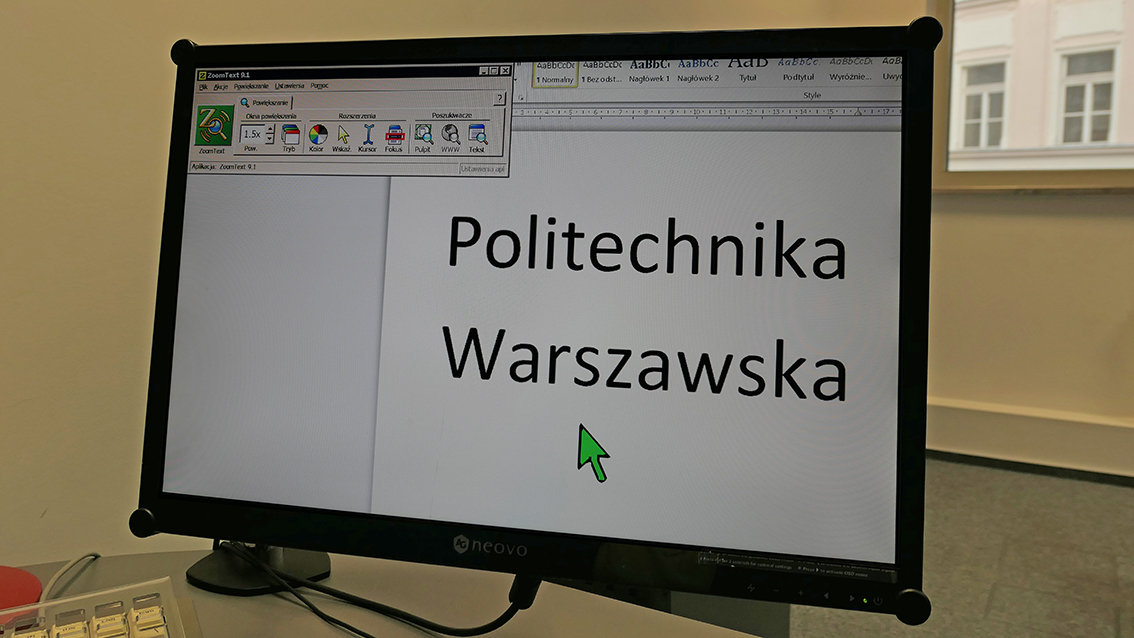
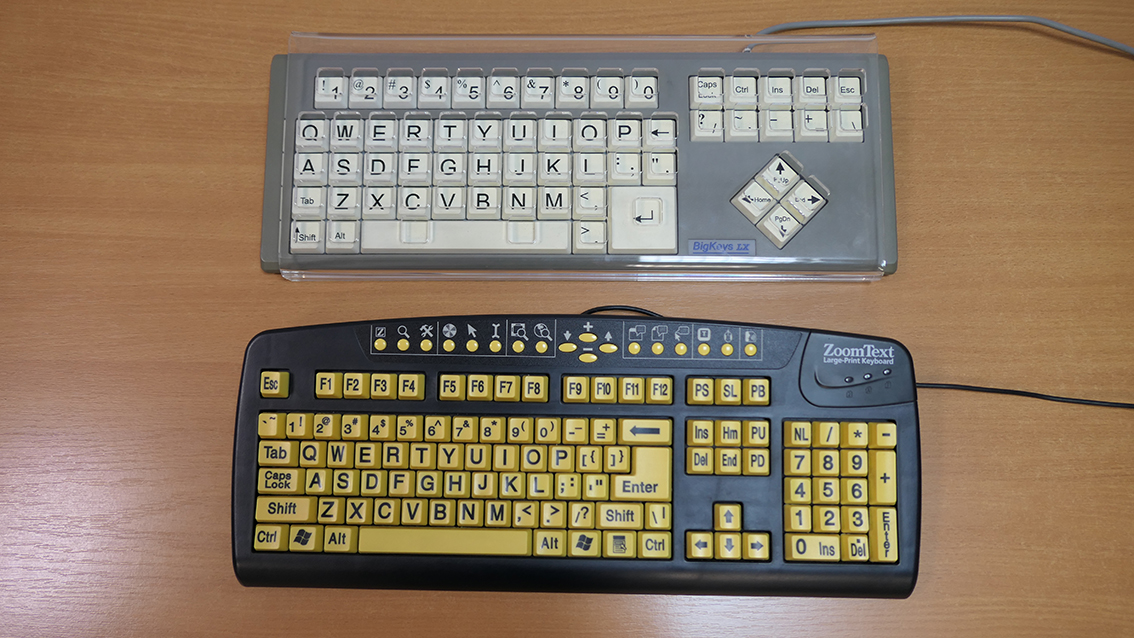
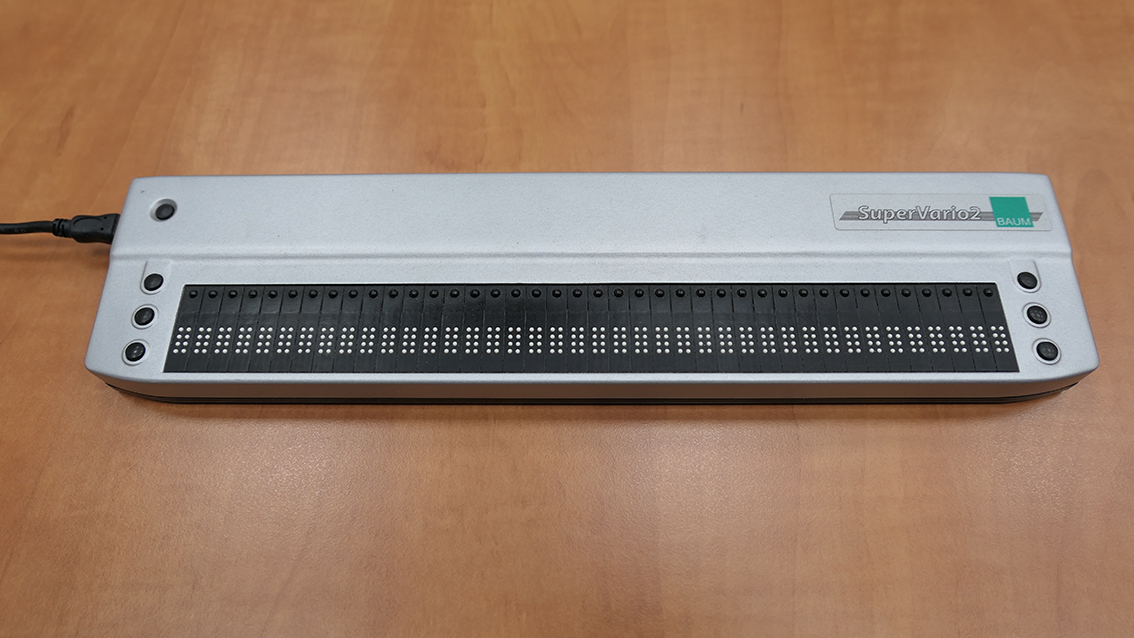
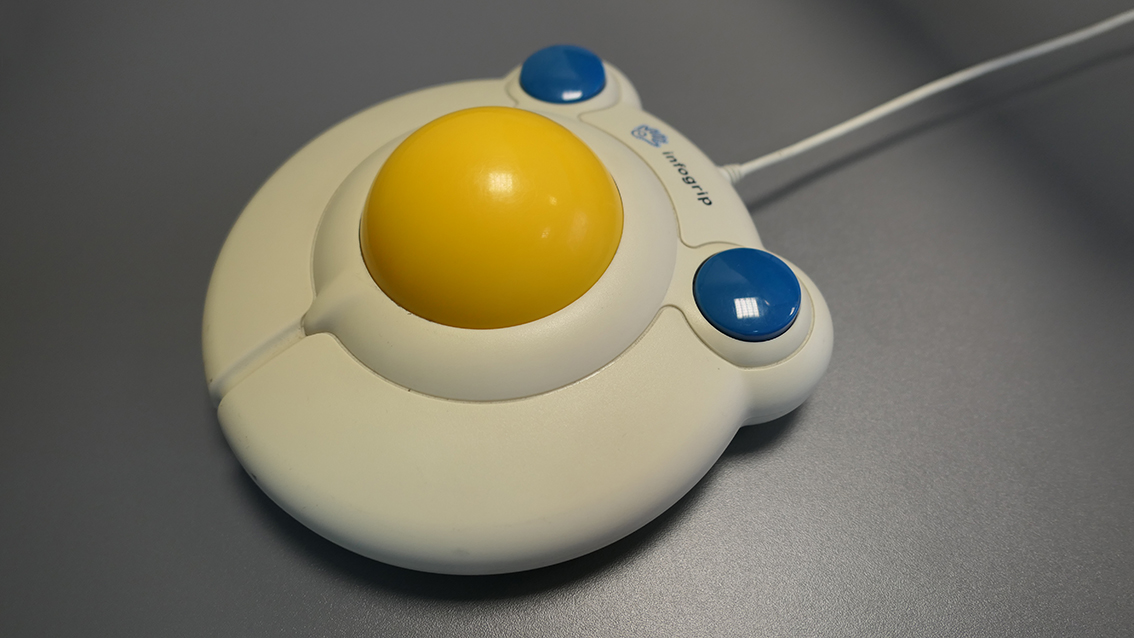
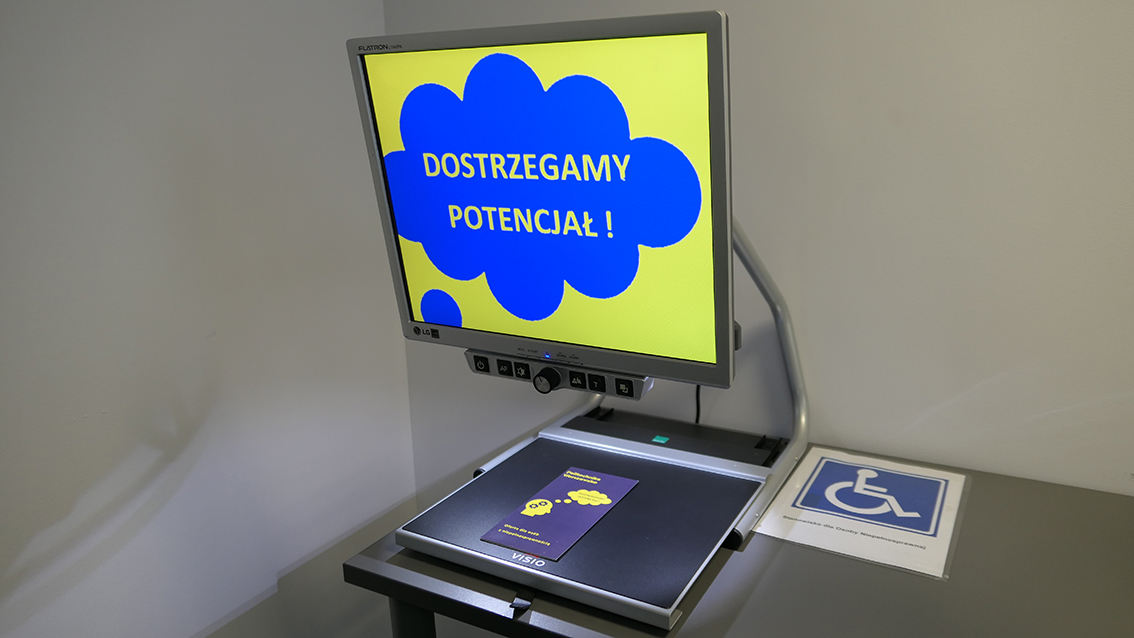
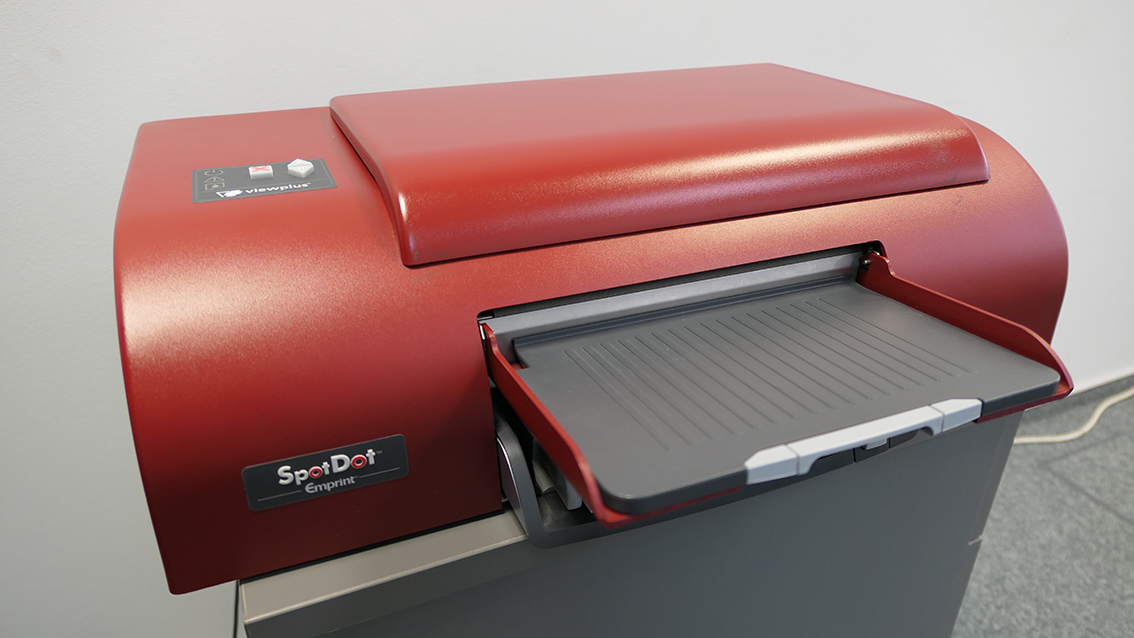
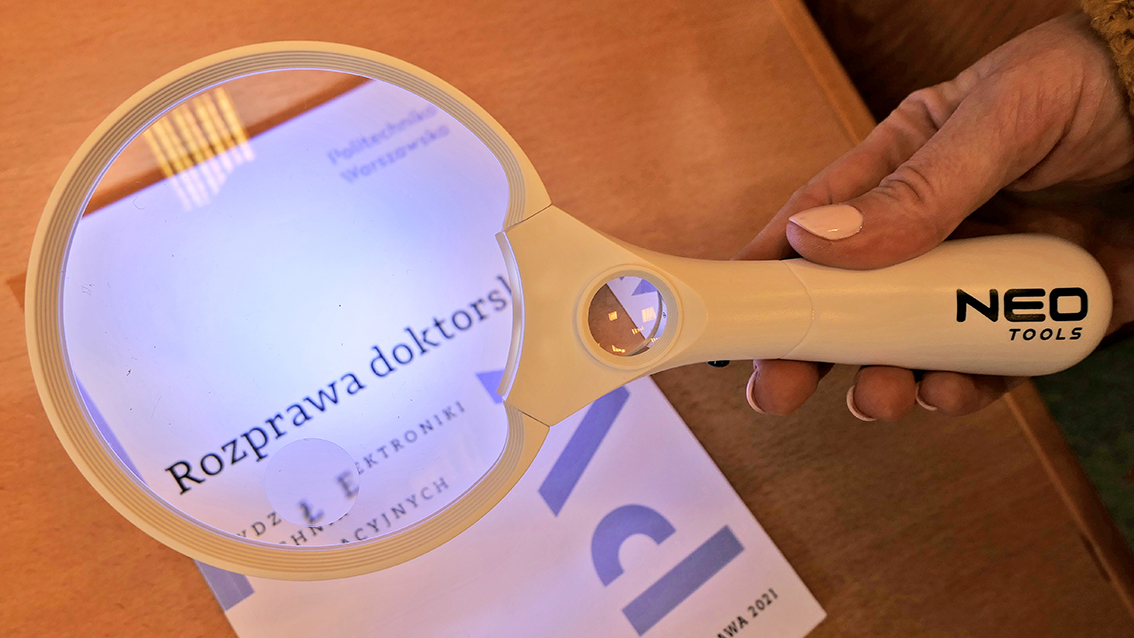
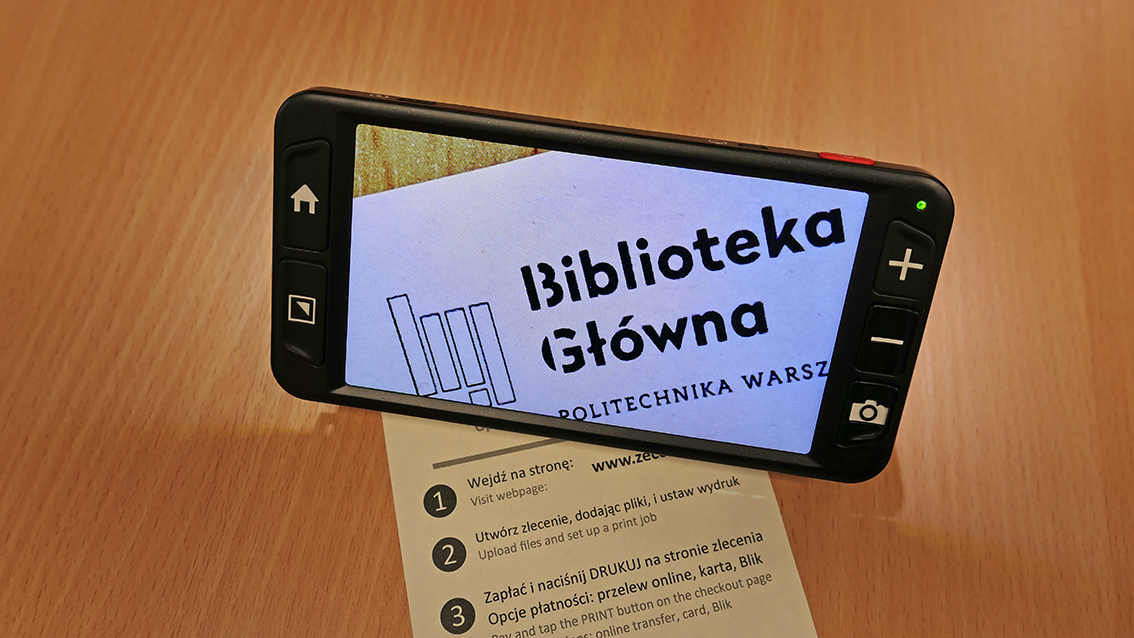
Specially prepared black-and-white Open Stacks maps in large easy-to-read A3 size are available at the library staff stations on each level of the Open Stacks.
The ML Open Stacks opening hours are: Mon.-Fri. 9am to 7pm, Sat. 9am to 4pm
For deaf and hard of hearing users
The WUT Main Library (Main Building) provides services to deaf and hard of hearing users in Polish Sign Language. To take advantage of the opportunity, please report your need to the librarian on duty.
For hearing-impaired individuals who use hearing aids, stationary induction loops have been installed in WUT Main Library and its branches. They are located in user service points: at the librarian's desk in the Student Lending Room (Main Building, room 71), on three levels of the Open Stacks (Main Building, rooms 242, 243, 336), as well as in the South Campus Library, the Faculty of Chemistry Library, and the WUT Branch Library in Płock. These stations are marked with a sticker with an induction loop pictogram. In addition, in the Special Collections Reading Room (Main Building, room 70), people with hearing impairments can use a portable induction loop.
Navigation and location applications
Digital copy request
The WUT Main Library offers free-of-charge ordering service for digital copies from printed library materials for users with disabilities. The requests need to be sent to the Section for Persons with Disabilities.
The Library of Faculty of Materials Science and Engineering and the Library of Faculty of Automotive and Construction Machinery Engineering also offer free-of-charge ordering service for digital copies.
Contact
For more information about facilities for users with disabilities you can contact us by e-mail: This email address is being protected from spambots. You need JavaScript enabled to view it. or phone: 22 234 55 98. You can also receive the necessary information on site on each level of the Open Stacks.
The librarians support users with disabilities in providing the appropriate materials from other floors of the library.
Scanning and printing
According to the WUT ML Regulations, copies of library documents may only be used for didactic or educational purposes, research, or personal use. Systematic and illegal reproduction, collecting on own media, redistribution or resale are prohibited (pursuant to the Act of 4 February 1994 on Copyright and Related Laws Journal of Laws of 2021, item 1062). The copying service covers the collections of the Main Library and its branches, the technical condition of which allows copying. PhD and diploma theses are excluded from copying.
Self-Service Copying
Scanning
Free of charge. Save scans as PDF, TIFF or JPG.
Main Library Open Stacks, level 2 (room 242):
- Zeta scanner - scans in colour; save scans to USB memory stick or send to email; available automatic correction of the curvature of the scanned material
- Zeutschel scanner - b/w scans; save scans to USB memory stick
Southern Campus Library, level 2, room 206:
- Zeta scanner - scans in colour; save scans to USB memory stick; available automatic correction of the curvature of the scanned material
Printouts
Main Library Open Stacks, level 2 (room 242):
The Zeccer printer allows you to print: directly from Zeccer website, by downloading the mobile app or by sending materials to This email address is being protected from spambots. You need JavaScript enabled to view it.. Payment can be made by online transfer, card or Blik.
Price list Type of charge Price A4 page b/w 0,22 PLN A4 page colour 1,20 PLN transaction fee 0,29 PLN
Customised Scanning
We scan documents in formats from B5 to A3 (colour scanning). Formats and prices according to the Price list.
Professional digital copies
The Main Library has specialised fixed and pass-through scanners at disposal. We offer professional digitisation of excerpts from books, journal articles and other library documents in various formats and high resolution. A separate price list applies for copies of library documents from Special Collections, see the Price list.
An order for professional digital copies should be submitted to: This email address is being protected from spambots. You need JavaScript enabled to view it.. In your order, please specify the source document, the format of the digital files and the method of collection.
Collection and payment
Completed orders are sent by e-mail, while a VAT invoice is sent by post. Please confirm receipt of your order to This email address is being protected from spambots. You need JavaScript enabled to view it.. An internal invoice is issued for orders from inside WUT. Payment for the service should be made by bank transfer to:
Bank PEKAO S.A. IV Oddz. Warszawa
81124010531111000005005664
NIP: 525-000-58-34
Please indicate the invoice number as the title of the transfer.
Attention
- When planning subsequent orders, it is possible to select monthly settlement. An invoice is then issued at the end of the calendar month for all orders made during the month.
- For non-standard orders, the price is set individually.
Internet access
Wired network
Computer workstations for searching the library collection
The Main Library and its branches provide all users with access to desktop computers that enable you to:
- use the Primo multi-search engine,
- use the electronic resources held by the library.
Locations:
- ML Open Stacks (levels II and III)
- ML Students Lending Room (room 71)
- Branch Library of the Southern Campus, room 206 (2nd floor)
Specialized workstations for WUT students and staff
For WUT students and staff there are desktop computers that, apart from access to the library resources, also provide:
- Internet,
- Microsoft Office package,
- specialised engineering software (ArcGIS Pro, MATLAB, SOLIDWORKS).
Locations:
- ML Open Stacks level II
- Main Building, Computer Room, room 71A (ground floor)
Wi-Fi network
The Main Library provides free wireless Internet access, administered by the Computing Centre of WUT.
Currently available WIFI networks:
- pw.edu.pl - network for WUT students and staff
- eduroam – network for WUT students and staff and guests who have an account in the eduroam system
How to access
- pw.edu.pl - logging in takes place via the login and password used in the central mail system of the Warsaw University of Technology. If it is necessary to manually set the network parameters, the following parameters are recommended:
- WPA2 Enterprise
- PEAP
- MSCHAPv2
- no certificate
- eduroam - logging in takes place via the login and password generated of eduroam system (instruction). If it is necessary to manually set the network parameters, the following parameters are recommended:
- WPA2 Enterprise
- PEAP
- MSCHAPv2
- no certificate
If you are not eligible for accessing the WIFI facility, there are PCs with access to the Internet.
Rules, regulations & fees
Regulations
Fees for overdue books
The fee for overdue is 0,30 PLN per day for one item. Overdue automatically blocks the library account.
Payments can be made by:
e-Payment Service – PayU – directly from the users’ library account
The electronic payment is available from your library account in the “Loans” bookmark for books which are overdue and have not been returned to the library yet, and in the “Fees” bookmark for books which are overdue but already returned.
Regulations for electronic payments [in Polish]
Safety
Online Payments service is supplied by PayU – a company that provides an online payment system. Find more about the user’s security in PayU
Unblocking the library account
When you use the PayU, your library account will be unblocked almost immediately after the transfer has been made.
For books which are overdue and have not been returned to the library yet you will get 3 extra days for returning them to the library or for renewing (it is possible only if: 1. no one else has ordered the book 2. your account is not blocked 3. you have not exceeded the limit of 3 renewals).
If you prefer a traditional money transfer in a bank or at the post office, you can download and print the payment form (it will appear while choosing the payment method). You will need to wait until the money has been registered in the account and then your library account will be unblocked. It can last up to 4 work days.
Books borrowed from various locations
Fees for overdue books borrowed from various locations (Main Library, faculty libraries, institute libraries) need to be paid separately for each location. You cannot settle the payment for books from different locations by one money transfer.
Directly to the Main Library bank account
Bank account number: 34 1240 1053 5111 4310 0050 0091 . Transfer title: name, surname and number of library card or student WUT ID number.
Download a payment form for traditional money transfer in a bank or at the post office here.
This can be done only for books from the Main Library, its branches and libraries at students dormitories. Attention – this account number cannot be used for paying for overdue books from the faculty and institute libraries.
When the payment has been made, the users’ account will be unblocked within 4 days or after showing the proof of payment in the Library.
Please remember that the fees will be accepted only for books already returned to the library (“Fees” bookmark on the user account).
Cash payments at the Main Library
In special cases, cash payments for late return of books to: WUT Main Library / its branches / Students Hall of Residence Akademik library may be made at WUT Main Building, room 71 (ground floor), Mon. - Fri. between 11:00 and 15:00.
The payment will be immediately debited from the user's account.
List of Divisions
The arrangement of publications in ML Open Stacks
1. Select a main division (A-Z).
2. A detailed set of divisions refers you to a given set of records in the ALEPH catalogue.
A. General
- A0. General reference
- A1. Scientific information. Bibliology
- A2. Philology
- A3. Language learning
- A30. General studies (languages other than those listed below)
- A31. English language learning
- A32. Chinese language learning
- A33. French language learning
- A34. Spanish language learning
- A35. German language learning
- A36. Polish language learning
- A37. Russian language learning
- A38. Italian language learning
B. Management. Economic sciences
C. Mathematics
- C0. General reference
- C1. Logic. Set theory
- C2. Algebra. Number theory
- C3. Discrete mathematics. Combinatorics. Graph theory
- C4. Geometry. Topology
- C5. Mathematical analysis
- C6. Calculus of probability. Mathematical statistics
- C60. General studies
- C61. Probability theory
- C62. Mathematical statistics
- C63. Stochastic processes
See also -> division B71 Econometrics
Optimization See -> division B72 Operations research
See also -> division B73 Financial mathematics
- C7. Numerical methods
D. Physics
- D0. General reference
- D1. Optics
- D10. General studies
See also -> division J13 Optoelectronics
- D10. General studies
- D2. Thermodynamics
- D3. Statistical physics
- D4. Quantum physics. Quantum mechanics
- D5. Theory of relativity
- D6. Atomic physics. Molecular physics. Nuclear physics. Particle physics
- D7. Electromagnetism. Magnetism. Electricity
- D8. Solid-state physics
- D80. General studies
- D81. Crystallography. Crystal structure
See also -> division F23 Mineralogy. Petrography. Geochemistry - D82. Semiconductors physics
Semiconductor devices. Semiconductors materials See -> division J11 Microelectronics. Electronic components. Electronic circuits
- D9. Plasma physics
- D90. General studies
See also -> division J22 Lasers. Laser technology
Medical physics See -> division N21 Bioengineering. Biomedical engineering
- D90. General studies
E. Chemistry
- E0. General reference
- E1. Physical chemistry
- E10. General studies
- E11. Atomic theory. Molecular theory. Chemical bonds. Supramolecular chemistry
- E12. Chemical structure. Stereochemistry. Crystal chemistry
- E13. Quantum chemistry. Computational chemistry
- E14. Chemical thermodynamics. Chemical equilibria. Phase transitions
See also -> division D20 Thermodynamics - E15. Chemical reactions. Chemical kinetics. Catalysis
- E16. Chemistry of high energy processes. Photochemistry. Radiation chemistry. Nuclear chemistry
- E17. Electrochemistry
- E18. Chemistry of surface phenomena. Colloids
- E2. Analytical chemistry
- E3. Inorganic chemistry
- E4. Organic chemistry
- E5. Chemical technology
See also -> division E70 Chemical and process engineering- E50. General studies
- E51. Chemical industry (and related industries). Industrial chemical products
Agricultural engineering. Plant protection products See -> division F51 Agriculture. Agricultural engineering. Soil science
- E511. Fuel industry. Petrochemical industry
- E512. Pharmaceutical industry
- E513. Cosmetic industry
- E514. Food industry. Microbiological industry. Fat industry
See also -> division N33 Health sciences - E515. Textile industry. Dyeing industry
- E516. Glass industry. Ceramics industry
See also -> division L50 Building industry
See also -> division E60 Plastics industry
- E6. Plastics industry
- E7. Chemical and process engineering
See also -> division E50 Chemical technology
F. Earth sciences. Geodesy
- F0. General reference
- F1. Astronomy. Astrophysics
- F10. General studies
Astronautics See -> division M50 Spaceflights engineering. Spaceships
- F10. General studies
- F2. Geology. Geophysics. Mining
- F3. Geodesy. Cartography. Photogrammetry. Remote Sensing. Cadastre
- F4. Geography
- F5. Agriculture. Forestry. Wood industries
- F50. General studies
- F51. Agriculture. Agricultural engineering. Soil science
See also -> division W26 Land conservation
See also -> division L21 Geotechnics. Soil mechanics. Ground science. Engineering geology - F52. Forestry. Wood industries
Pulp and paper industry See -> division O11 Printing materials science
G. Mechanics
H. Machine technology. Manufacturing technology
- H0. General reference
- H1. Technical mechanics. Strength of materials
- H2. Automatic control of machines and processes
- H3. Mechanical engineering. Fundamentals of machine design
- H30. General studies
- H31. Engineering graphics (technical drawing)
- H32. Machine parts (gears, bearings, clutches)
- H33. Drives
- H34. Operation of machines
- H35. Tribology (friction, lubrication)
- H36. Heat engines (compressors, pumps, boilers, turbines). Refrigerating machinery
- H37. Engines (heat engines, steam engines, combustion engines)
- H5. Mechatronics
- H6. Technological processes and machineries
- H60. General studies
- H61. Casting
- H62. Materials joining and cutting (welding technology)
- H63. Machining. Metal-working machines
- H64. Plastic working
- H65. Heat treatment
- H66. Erosion machining. Laser treatment
- H67. Plastics processing
See also -> division E60 Plastics industry - H68. Assembly technology
- H7. Metrology
- H8. Nanotechnologies
I. Electrical engineering. Power engineering
- I0. General reference
- I1. Electrical engineering. Electrical metrology
- I2. Electric machines. Electric equipment. Electrical installations
- I3. Power engineering. Electrical power engineering
- I30. General studies
- I31. Power engineering. Electrical power engineering
- I32. Power systems. Electrical power networks
- I33. Power stations. Thermal-electric power stations
See also -> division W27 Renewable energy sources. Clean technologies
See also -> division D64 Nuclear apparatus. Nuclear technology - I34. Energy management. Power market
- I4. Industrial electronics. Power electronics
J. Electronics
K. Computer science
- K0. General reference
- K1. Fundamentals of computer science. Computer architecture
- K2. Artificial intelligence
- K3. Operating systems. Concurrent programming
- K4. Software engineering. Programming languages
- K40. General studies
- K41. Software engineering
- K42. Procedural programming languages. Object programming languages (Pascal, C, C++, C#, Objective C, Modula 2, Java, Python)
- K43. Functional languages (Lisp, Scheme, SML, Haskell, F#, OCaml)
- K44. Declarative programming languages (Prolog, Visual Prolog)
- K45. Scripting languages (JavaScript, JScript, VBScript, Perl, PHP)
- K46. Low-level programming languages (symbolic languages, assemblers, macro assemblers)
- K47. Domain-specific language (Matlab, ENBF, Flex, Yacc). Languages for special purposes
- K48. Tag-based languages (LaTex, SGML, HTML, XML, XAML, CSS)
- K49. Compilers. Framework (Eclipse, Visual Studio, Delphi, KDevelop)
- K5. Databases
- K6. Computer networks. Network protocols
- K7. Network security. Computer system security
- K8. Computer graphics. Image processing
- K9. Functional computer programmes
L. Building industry
- L0. General reference
- L1. General building industry
- L2. Geotechnics. Soil mechanics. Ground science. Engineering geology
- L3. Roads construction. Bridges construction
- L30. General studies
- L31. Roads construction. Railway construction
See also -> division M23 Control command and signalling of rail traffic. Railway traffic safety - L32. Bridges construction
See also -> division S44 Industrial architecture. Architecture of outbuildings. Architecture of transport infrastructure - L33. Tunnels construction. Underground structures
- L34. Roads materials. Roads surfaces. Technology of roads materials
- L35. Roads maintenance
- L4. Building design. Building structures. Structural mechanics
- L40. General studies (calculation of building structures, building design)
- L41. Structural mechanics
- L42. Concrete structures. Reinforced concrete structures
- L43. Metal structures. Glass structures
- L44. Wooden structures
- L45. Masonry structures. Stone structures
- L46. High buildings
- L47. Industrial building
- L48. Elements of building structures. Parts of building
- L5. Building industry. Building materials
See also -> division E516 Glass industry. Ceramics industry
M. Transport
N. Biological sciences. Biotechnology. Medicine
- N0. General reference
- N1. Biology
- N10. General studies
- N11. Microbiology. Botany. Zoology
- N12. Cell biology. Molecular biology. Genetics
See also -> division N22 Genetic engineering - N13. Computational biology. Bioinformatics
Medical informatics See -> division N21 Bioengineering. Biomedical engineering - N14. Biochemistry
- N15. Biophysics
- N2. Biotechnology
- N3. Medicine
- N30. General studies
- N31. Anatomy. Physiology
- N32. Clinical medicine. Pharmacology
See also -> division N211 Medical diagnosis. Medical apparatus
Medical ethics See -> division N23 Bioethics
Medical law See -> division N30 Medicine - N33. Health sciences
Food engineering See -> division E514 Food industry. Microbiological industry. Fat industry
O. Printing technology
- O0. General reference
- O01. Encyclopedias. Lexicons
- O02. Dictionaries
- O03. Manuals. Tables
- O04. General studies
- O05. History
Book science. Press science See -> division A12 Bibliology
- O1. Printing materials science. Computer typesetting. Printing techniques. Bookbinding
- O2. Publishing. Bookselling. Distribution of books
P. Law. Social sciences. Political science
- P0. General reference
- P1. Law
- P10. General studies
- P11. International law
- P12. State law. Human rights
- P13. Administrative law
- P14. Economic law. Tax law
- P15. Civil law. Criminal law
Mortgage. Land registers. Protection of tenants’ rights See -> division F37 Cadastre. Property management - P16. Commercial law. Financial law. Banking law
Bill of exchange law. Cheque law. Foreign exchange law See -> division B40 Banking. Finance - P17. Intellectual property law. Copyright law
Inventions See -> division Z21 Technology. History of technology - P18. Insurance law. Insurance
- P2. Philosophy. Religion. Intangible culture.
- P20. General studies
- P21. Philosophy
- P22. Ethics
Business ethics See -> division B11 Organisation and management methods
Environmental ethics See -> division W21 Sustainable development. Ecology
Ethics in science See -> division Z10 Science
Medical ethics See -> division N23 Bioethics
International ethics See -> division P52 International policy
Military ethics See -> division P53 International security. National security - P23. Religion
- P24. Intangible culture
See also -> division S61 Cultural heritage. Archaeology
- P3. Sociology. Social policy. Psychology
- P30. General studies
- P31. Sociology
- P32. Social policy
Housing policy See -> division L13 Building investments. Construction cost estimates
Housing policy See -> division S41 Residential architecture. Defensive architecture
Housing law See -> division F37 Cadastre. Property management - P33. Social communication
- P34. Psychology
Clinical psychology See -> division N30 Medicine
- P4. Labour sciences
- P5. Political science. International relations
- P6. Public administration
- P60. General studies
- P61. Central administration
- P62. Field administration
Local government finances. Local government budgets. Public sector finance See -> division B44 Public finance
- P7. Education. Pedagogy
R. Materials engineering. Materials science
S. Spatial planning. Architecture. Arts
- S0. General reference
- S1. Spatial planning
- S2. Urban planning
- S3. Architecture
- 4 Architecture of buildings (according to the purpose)
- S40. General studies
- S41. Residential architecture. Defensive architecture
- S42. Religious architecture. Cementary architecture
- S43. Architecture of health care facilities
- S44. Industrial architecture. Architecture of outbuildings. Architecture of transport infrastructure
See also -> division L32 Bridge construction - S45. Architecture of research institution buildings. Architecture of buildings for educational purposes
- S46. Architecture of commercial buildings. Architecture of hotel facilities. Architecture of catering facilities
- S47. Architecture of buildings for cultural events and entertainment. Architecture of sports facilities
- S48. Architecture of administration buildings. Architecture of facilities for financial institutions. Architecture of office buildings
- S49. Architecture of farm buildings
- 5 Arts
- 6 Cultural heritage. Preservation of monuments. Museums
W. Environmental engineering. Environmental protection
- W0. General reference
- W1. Environmental engineering
- W2. Environmental protection. Environmental hazards
- W20. General studies
- W21. Sustainable development. Ecology
- W22. Environmental monitoring. Environmental impact assessment
- W23. Conservation of nature
- W24. Air protection
- W25. Water protection
- W26. Land conservation
See also -> division F51 Agriculture. Agricultural engineering. Soil science
See also -> division L21 Geotechnics. Soil mechanics. Ground science. Engineering geology - W27. Renewable energy sources. Clean technologies
See also -> division I33 Power stations. Thermal-electric power stations
- W3. Aerology. Hydrology
- W4. Hydrotechnics
Z. Science. Technology. History
Contact us
Address:
Main Library of the Warsaw University of Technology
Library is located on Main Campus (in the WUT Main Building)
Plac Politechniki 1
00-661 Warsaw
Information services:
phone: + 48 22 234 7300 (Reference Center)
phone/fax : +48 22 628 7184
e-mail: This email address is being protected from spambots. You need JavaScript enabled to view it.